
CURRENT DOCUMENTED REGISTRY DATA
METHODOLOGY →Registry statistics describe submitted records and do not establish manufacturer-wide incidence or failure rates. Figures are manually updated from approved public records. Last reviewed August 18, 2026.

Individual reports are fragmented. Structured records can be compared.
Vehicle problems are usually documented one service visit, repair order, estimate and invoice at a time. AutoDefect organizes those records into a consistent public framework so submitted cases can be compared as the Registry grows.
Records are organized for owners, technicians, researchers, journalists, regulators and other readers evaluating the documentary record.
HOW RECORDS ARE REVIEWED →Symptoms reported in cases later diagnosed with refrigerant loss
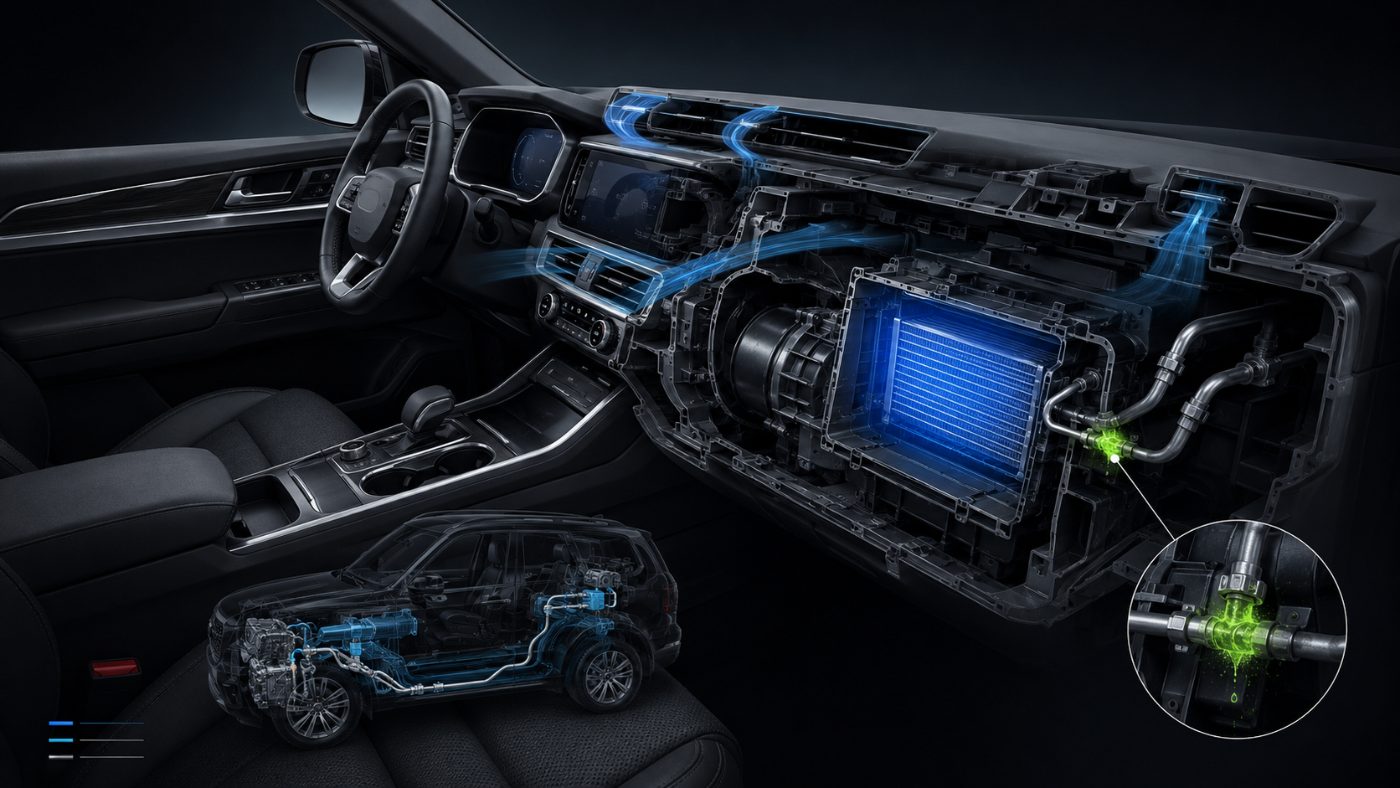

Why access and disassembly can drive evaporator replacement cost
Because the evaporator sits at the center of the HVAC assembly, replacement requires dashboard removal. Founder-case figures, from dealer documents on file — the repair is now complete:
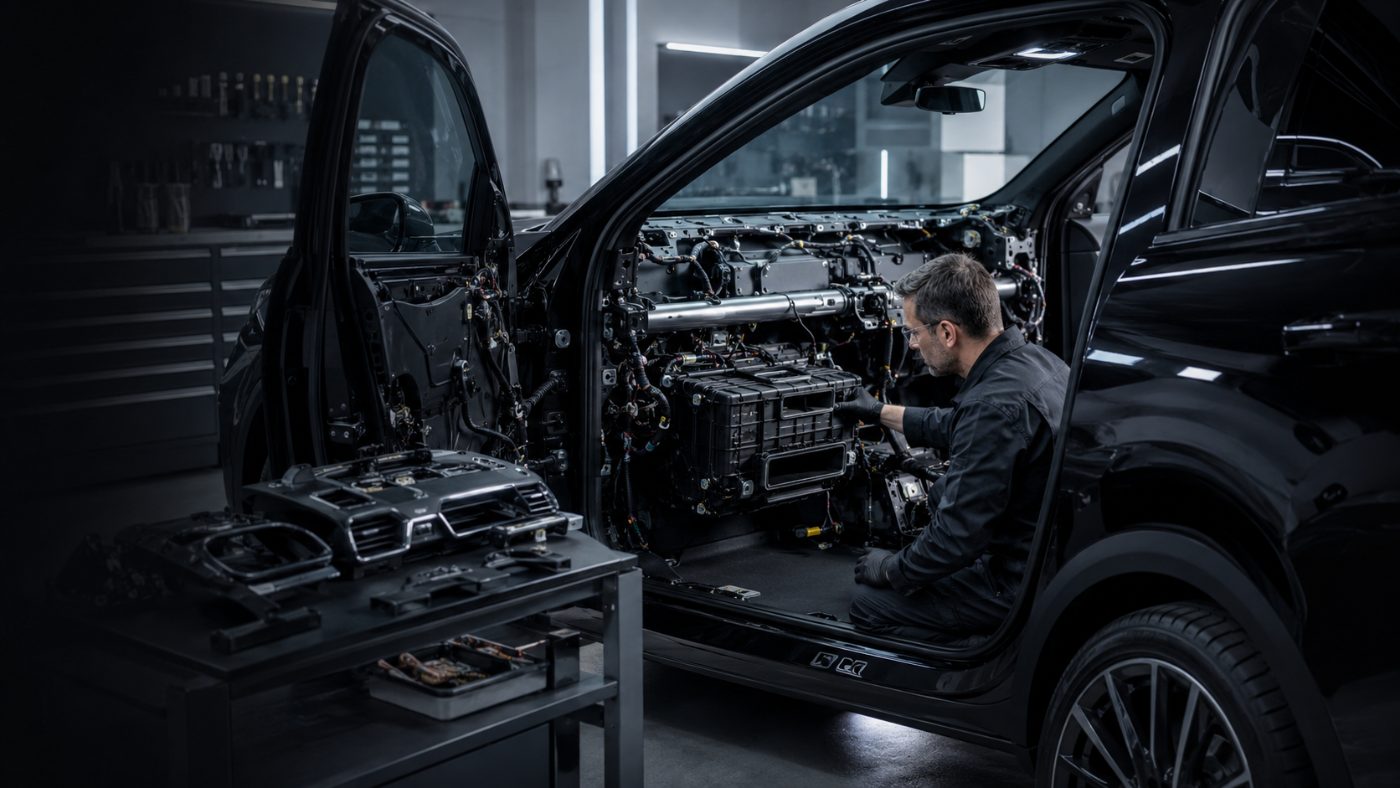
How records are reviewed
FULL METHODOLOGY →Written diagnosis plus documentation showing evaporator replacement or repair. Supporting documents are manually reviewed; published copies are redacted derivatives.
A written diagnosis identifies evaporator leakage or failure; the repair itself may still be pending.
Consistent indicators and documentation without a definitive written diagnosis. Levels D–E cover owner-reported and alternative-diagnosis cases.
RECENT RECORDS
BROWSE THE REGISTRY →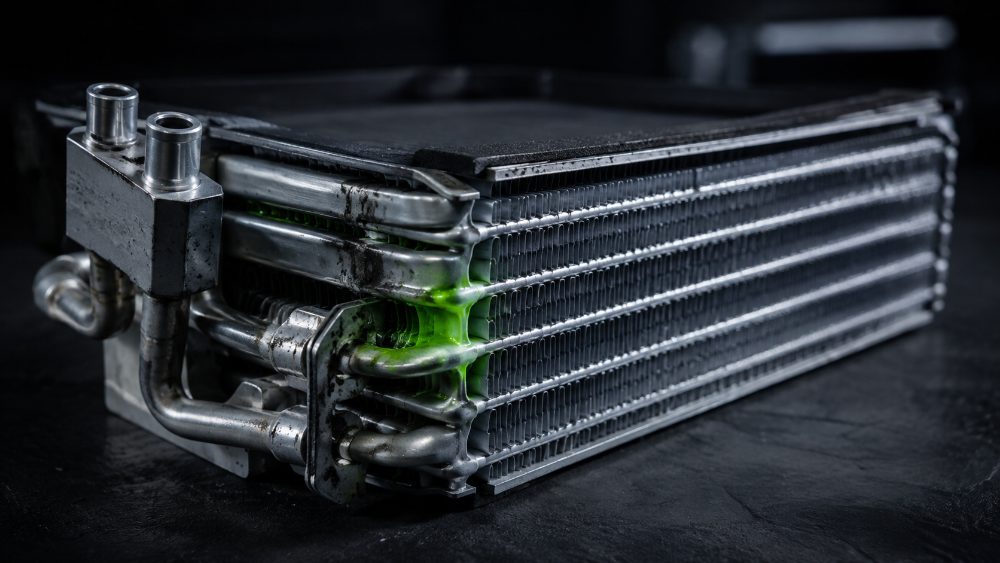

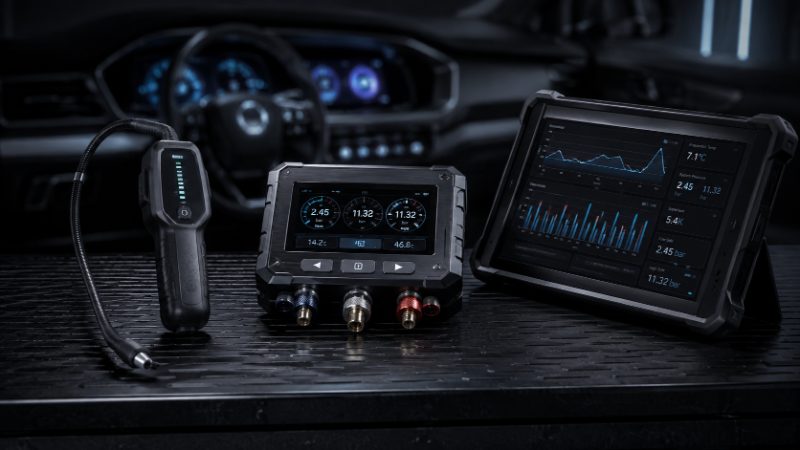 Methodology
Evidence levels, verification steps, data dictionary and limitations.
READ →
Methodology
Evidence levels, verification steps, data dictionary and limitations.
READ →
 Media & citations
Fact sheet, aggregate statistics and how to cite Registry data.
OPEN →
Media & citations
Fact sheet, aggregate statistics and how to cite Registry data.
OPEN →
 Case timeline
The founder case, event by event, with documents referenced.
VIEW →
Case timeline
The founder case, event by event, with documents referenced.
VIEW →
 BMW right of reply
BMW of North America may respond to any published record; substantive responses may be published alongside it after authenticity, privacy and legal review.
RESPOND →
BMW right of reply
BMW of North America may respond to any published record; substantive responses may be published alongside it after authenticity, privacy and legal review.
RESPOND →
From symptom to regulatory record, without leaving the evidence.
Every page below is source-annotated and cross-linked: symptom → differential diagnosis → documented diagnosis → source → part → cost → case evidence → BMW outcome → manufacturer communication → public record.