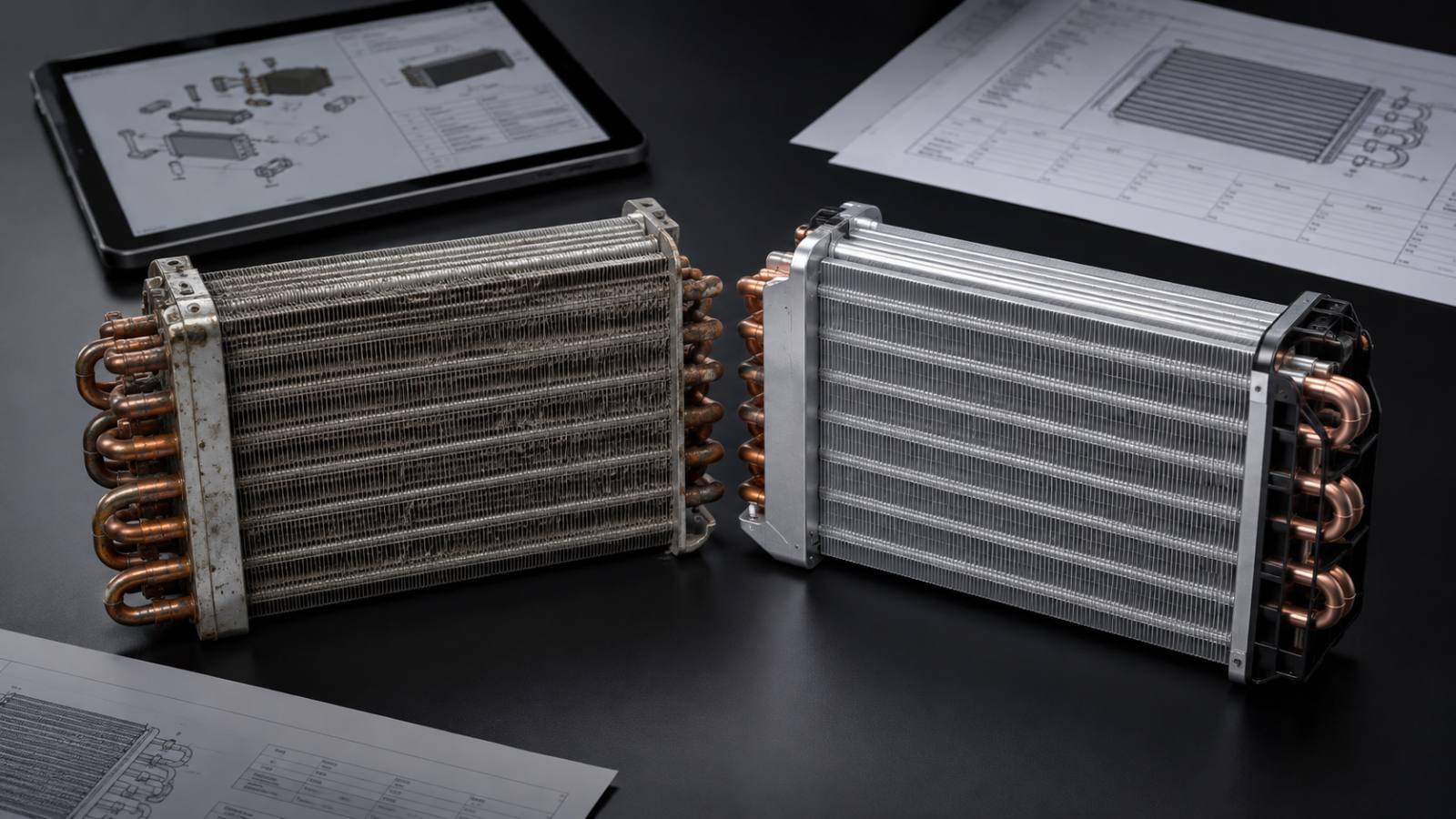
Is refrigerant actually being lost?
The first documented fact in a credible leak case is that the sealed system is losing charge. Service records can establish this through recovered-versus-specification refrigerant weight, repeat recharges over time, or pressure readings recorded by the facility.
If refrigerant loss is not documented, the symptom may still have a cause — but the case is not yet a leak case.
The most under-collected number in HVAC records
Modern recovery machines weigh what they extract. A recovered charge materially below specification is objective evidence of loss. Ask the facility to note the recovered amount and the recharged amount, in grams or ounces, on the repair order — many will if asked before service begins.
How technicians locate a leak — and how each is documented
Methods are not equivalent, and results depend on conditions. AutoDefect records the method as documented; it does not rank devices or certify procedures.
Does the dashboard have to come out just to diagnose?
Not necessarily — procedures vary by vehicle, equipment and facility. Electronic detection at the evaporator drain, dye inspection and pressure testing can often be performed without major disassembly. Some facilities may recommend deeper inspection where results are ambiguous. AutoDefect does not publish absolute rules; it records what each facility actually did and charged.
The founder case documents three separate diagnostic evaluations totaling more than $1,300 before any repair — an illustration of why diagnostic-cost documentation matters as much as repair quotes.
What a written diagnosis should contain
Refrigerant recovery and recharging are regulated activities. See the EPA’s Servicing Motor Vehicle Air Conditioners program for the federal framework: epa.gov/mvac ↗
Evidence classification examples
A documented diagnosis, end to end
Everything above is easier to read against a real repair order. This is the founder case, BMW Fresno, completed August 18, 2026 — each finding paired with what it does and does not support.
Read in sequence, these findings show the difference this page teaches: recovered-quantity evidence alone would have stalled at Level C. It was the detector finding plus the written dealer diagnosis that identified the component, and the completed replacement plus the post-repair test that documented the outcome.
Have a diagnosis document in hand?
Repair orders and diagnostic reports are the backbone of the registry. Submissions stay private until reviewed, redacted and approved by you for publication.